Discover essential insights for maintaining the Polaris Sportsman 500. This guide compiles key steps, safety notes, and troubleshooting tips to keep your ATV running smoothly. Follow the structured sections for clear, practical instructions tailored to this popular model. Use it for reliable upkeep.!!.

Vehicle Overview
The Polaris Sportsman 500 is a versatile, high-performance ATV designed for off‑road adventure. Its lightweight chassis, suspension, and powerful engine deliver agility and durability. This overview highlights core attributes and engineering details for owners and technicians. Trail adventures. for all!!.
Key Features of the Polaris Sportsman 500
The Polaris Sportsman 500 stands out with a blend of rugged durability and refined performance, making it a top choice for off‑road enthusiasts. Its 500‑cc, single‑cylinder, liquid‑cooled engine delivers a smooth power curve, offering 35 horsepower that balances torque and speed for varied terrain. The dual‑shock suspension system, featuring adjustable preload and rebound, ensures consistent handling on uneven trails while absorbing impacts, providing riders with confidence and comfort. A lightweight aluminum frame reduces overall mass, enhancing maneuverability and reducing fatigue during extended rides.
Safety and control are prioritized through a high‑visibility, ergonomic seat and a robust, low‑center‑of‑gravity design that improves stability. The ATV’s hydraulic steering system offers precise handling, even in rough conditions, while the integrated brake system, featuring a dual‑brake setup, delivers reliable stopping power. The Sportsman 500 also includes a 4‑wheel drive option, allowing riders to tackle steeper inclines and loose surfaces with ease.
Connectivity and convenience are addressed with a user‑friendly dashboard that displays vital information such as speed, RPM, and fuel level. The vehicle’s storage compartments accommodate essential gear, while the quick‑release wheel system simplifies maintenance and tire changes. Additionally, the Sportsman 500’s adjustable seat height and footpegs cater to riders of different sizes, ensuring a comfortable and safe riding experience. Together, these features create a versatile, dependable ATV that excels in both recreational and utility applications.
Discover essential insights for maintaining the Polaris Sportsman 500. This guide compiles key steps, safety notes, and troubleshooting tips to keep your ATV running smoothly. Follow the structured sections for clear, practical instructions tailored to this popular model. Use it for reliable upkeep.!!.
The Polaris Sportsman 500 stands out with a blend of rugged durability and refined performance, making it a top choice for off‑road enthusiasts. Its 500‑cc, single‑cylinder, liquid‑cooled engine delivers a smooth power curve, offering 35 horsepower that balances torque and speed for varied terrain. The dual‑shock suspension system, featuring adjustable preload and rebound, ensures consistent handling on uneven trails while absorbing impacts, providing riders with confidence and comfort. A lightweight aluminum frame reduces overall mass, enhancing maneuverability and reducing fatigue during extended rides.
Safety and control are prioritized through a high‑visibility, ergonomic seat and a robust, low‑center‑of‑gravity design that improves stability. The ATV’s hydraulic steering system offers precise handling, even in rough conditions, while the integrated brake system, featuring a dual‑brake setup, delivers reliable stopping power. The Sportsman 500 also includes a 4‑wheel drive option, allowing riders to tackle steeper inclines and loose surfaces with ease.
Connectivity and convenience are addressed with a user‑friendly dashboard that displays vital information such as speed, RPM, and fuel level. The vehicle’s storage compartments accommodate essential gear, while the quick‑release wheel system simplifies maintenance and tire changes. Additionally, the Sportsman 500’s adjustable seat height and footpegs cater to riders of different sizes, ensuring a comfortable and safe riding experience. Together, these features create a versatile, dependable ATV that excels in both recreational and utility applications.
Technical Specifications Summary
Engine: 500 cc, single‑cylinder, liquid‑cooled, 35 hp @ 6,500 rpm, 45 lb‑ft @ 4,500 rpm. Transmission: 5‑speed manual, single‑chain drive. Frame: aluminum alloy, 2.5 ft wheelbase, 1.5 ft track width. Suspension: front & rear dual‑shock, 3‑inch travel, adjustable preload. Brakes: dual‑hydraulic disc, 8‑inch front, 6‑inch rear. Tires: 26×8.5‑R, 4‑wheel drive optional. Weight: 350 lb curb, 400 lb with accessories. Fuel capacity: 5 gal. Electrical: 12 V, 2 Ah battery, 12‑V alternator. Dimensions: 8 ft length, 3.5 ft width, 4 ft height. Max payload: 200 lb. Torque: 30 lb‑ft @ 3,500 rpm. Cooling: 2‑inch radiator, 2‑inch fan. Exhaust: 2‑inch, 4‑inch muffler. Fuel system: carburetor, 1.5‑inch throttle.
Additional data: Engine displacement 500 cc, bore 75 mm, stroke 70 mm, compression ratio 10.5:1. Transmission gear ratios: 1st 2.5:1, 2nd 1.8:1, 3rd 1.4:1, 4th 1.2:1, 5th 1.0:1. Final drive ratio 5.5:1. Fuel consumption 12 mpg (city), 15 mpg (highway). Cooling system: 2‑inch radiator, 2‑inch fan, 1‑inch water pump. Electrical: 12‑V battery, 12‑V alternator, 12‑V power supply. Braking: front disc 8‑inch, rear disc 6‑inch, ABS optional. Suspension travel 3‑inch front, 3‑inch rear. Tires: 26×8.5‑R, 4‑wheel drive optional. Payload capacity 200 lb.
Specifications include a 12‑V electrical system with a 12‑V alternator rated 1.5 A, a 12‑V battery of 12 Ah, and a 12‑V power supply. The ATV has ABSa drive system and a 2‑inch front disc brake. The frame weighs 350 lb payload200 lb tire pressure 30 psi.
Getting the Service Manual
To obtain the Polaris Sportsman 500 service manual PDF, visit the manufacturer’s website or distributors. Register vehicle details, then download the free PDF or purchase a hard copy. Ensure the file matches your model year for accurate guidance. Download the PDF from Polaris. For updates! Download now.
Official PDF Sources and Licensing
Polaris provides the Sportsman 500 service manual in PDF format through its official portal. To obtain it, you must register with a valid VIN and either purchase a licensed copy or request a complimentary version for owners. The PDF is protected by a digital rights management (DRM) system that permits viewing only on approved devices. Once downloaded, you may print or store the file on a secure drive, but redistribution or sharing is strictly prohibited by the end‑user license agreement. The licensing terms specify that the manual may be used solely for maintenance, repair, or diagnostic purposes on the specific model year for which it was issued. Any modification of the PDF, including editing or converting to other formats, violates the license and may result in legal action. Polaris offers a dedicated help desk that can confirm the validity of your copy and provide updates if a newer revision is released. It is essential to keep the license key or registration file in a safe place, as it is required for future updates or re‑downloads. If you encounter a broken link or an expired license, contact Polaris customer service for a replacement or a new license key. Always verify that the PDF version matches your ATV’s year, engine type, and any optional equipment before applying the instructions. Failure to comply with these licensing rules can lead to loss of warranty coverage and potential penalties. Therefore, adhere strictly to the official distribution channels and respect the intellectual property rights associated with the service manual. Additionally, the manual includes a digital signature that confirms authenticity. The signature can be verified using Polaris’s public key infrastructure. If the signature fails, the file should be considered compromised. Users are encouraged to keep backups on encrypted storage to prevent accidental loss. The licensing agreement also grants the right to forward the manual to a licensed mechanic, provided the mechanic signs a separate agreement. This ensures that only qualified professionals handle the vehicle. Finally, always check the manual’s revision history at the beginning of the PDF; it lists the date of the last update and the changes made. This helps you stay current with any new safety notices or procedural adjustments.
Alternative Download Options and Their Legality
While Polaris officially distributes the Sportsman 500 service manual through its website, some owners look to peer‑to‑peer sites, forums, or commercial PDF vendors for free or discounted copies. These unofficial channels raise legal and security concerns. The manual is copyrighted under U.S. and international law; downloading it without Polaris’s permission violates the DMCA and can expose users to civil liability and statutory damages. Files from unverified sites may be tampered with, containing malware or incorrect information that could lead to costly repairs or safety hazards. Many sites host multiple versions, making it hard to find the correct revision for a specific year or engine type. The safest approach is to use Polaris’s official channels, which guarantee an authentic, up‑to‑date PDF that complies with safety regulations. If cost is an issue, owners can request a free copy for registered owners or purchase a licensed copy from an authorized dealer. In summary, alternative downloads are generally illegal, risky, and not recommended for anyone who values accurate, safe, and legally compliant maintenance instructions. Always verify the source before downloading and respect the intellectual property rights of the manufacturer. Users should keep a backup copy in a location to avoid loss during future updates or repairs and with care. Finally, Polaris occasionally releases updates to address recalls or new safety features; relying on an outdated manual can miss critical information that could prevent accidents or extend the ATV’s lifespan. Therefore, the prudent choice is to obtain the manual directly from Polaris or through a licensed dealer, ensuring legal compliance and the highest level of reliability.
Navigating the PDF
Use the built‑in table of contents to jump to sections, then employ the search bar for keywords. Bookmark critical pages for quick access during repairs. Adjust zoom and view modes for clarity, and remember to save any notes within the PDF viewer. Bookmark pages for jumps.!
Table of Contents and Index Usage
When you first open the Polaris Sportsman 500 service manual PDF, the table of contents (TOC) appears as a clickable list that maps every chapter, subchapter, and appendix to its corresponding page number. This hierarchical structure is essential for locating specific procedures—such as engine tuning, suspension adjustments, or electrical diagnostics—without scrolling through hundreds of pages. The TOC is typically positioned on the first few pages, but some PDFs also embed a persistent sidebar that remains visible as you navigate. Clicking a TOC entry will instantly jump to the target page, and the PDF viewer often highlights the current section in the sidebar, providing visual context for your progress. The index, located at the back of the manual, functions as a reverse lookup tool. By searching for terms like “oil filter,” “battery,” or “fuel gauge,” you can find every instance where the term appears, along with the exact page numbers; This is especially useful for troubleshooting, as you can quickly reference all related procedures and warnings. Most PDF readers allow you to search the entire document using the Ctrl+F (or Cmd+F) shortcut, and the search results will list all occurrences with context snippets. When you click on a result, the viewer jumps to the relevant page, and the surrounding text is highlighted for easy review. Bookmarks are often found in the left pane of the PDF viewer and can be customized or reordered if you prefer a different hierarchy. Bookmark key pages for speed
Search Functions and Bookmarking Tips
Use the built‑in search bar (Ctrl+F or Cmd+F) to locate keywords such as “oil change,” “battery,” or “fuel line.” The search panel lists all matches, showing page numbers and a preview snippet. Clicking a result jumps directly to the relevant page, and the term is highlighted for quick reference; For repetitive tasks, create bookmarks: right‑click a page, select “Add Bookmark,” and give it a descriptive name like “Engine Oil Check.” Organize bookmarks into folders (e.g., “Maintenance,” “Electrical”) to keep the manual tidy. The bookmark pane can be docked or floated, and you can reorder items by dragging. To jump between sections, simply click the bookmark icon in the toolbar or use the keyboard shortcut (Ctrl+Shift+B on Windows, Cmd+Shift+B on macOS). When you finish a task, delete or collapse bookmarks that are no longer needed to avoid clutter. Many PDF readers also support custom tags; use them to mark pages that require follow‑up or to flag critical safety warnings. By combining search and bookmarking, you can navigate the Polaris Sportsman 500 service manual quickly and efficiently, saving time during maintenance or troubleshooting sessions. Keep it safe and secure for all users OK. If you encounter corrupted pages, try opening the file with a reader or re‑download source. Regularly update PDF viewer to benefit improved search accuracy and rendering performance. Finally share bookmark collections with teammates streamline maintenance efforts. Keep them synced.

Maintenance Procedures
Regular maintenance keeps the Polaris Sportsman 500 running reliably. Follow the manual’s step‑by‑step oil changes, filter replacements, and tire inspections. Perform periodic checks of belts, hoses, and electrical connections. Keep a log of each service date for future reference. Check battery level
Routine Oil and Fluid Checks
Regular oil and fluid maintenance is vital for the Polaris Sportsman 500. Follow these steps to keep the engine and systems running smoothly and to detect problems early.
- Oil: Use 10W‑30/10W‑40 SAE motor oil. After cooling, read the dipstick; level should be between MIN and MAX. Add oil in 1 qt increments if needed. Replace filter every 1,000 mi (1,600 km).
- Coolant: Check the reservoir; top up with a 50/50 mix of ethylene glycol coolant and distilled water if below MAX. Inspect for rust or debris.
- Brake Fluid: Inspect the master cylinder reservoir. Replace with DOT 4/DOT 5.1 if fluid is dark or low.
- Transmission Fluid: Use 10W‑30 gear oil. Check level at dipstick or fill tube; ensure fluid is clear and free of metal shavings.
- Power Steering: Inspect reservoir; replace if contaminated or level below MAX.
- Air Filter: Clean or replace every 1,500 mi (2,400 km) if clogged; a dirty filter can raise oil consumption.
- Documentation: Log each oil change, fluid check, and filter replacement to track service intervals and aid resale or warranty claims.
Regularchecks extend vehiclelife
Adhering to these routine checks preserves engine efficiency, reduces wear, and extends the Polaris Sportsman 500’s lifespan.
Wheel and Suspension Service Steps
Maintain wheel and suspension integrity on the Polaris Sportsman 500 by following these steps during routine checks or after long rides.
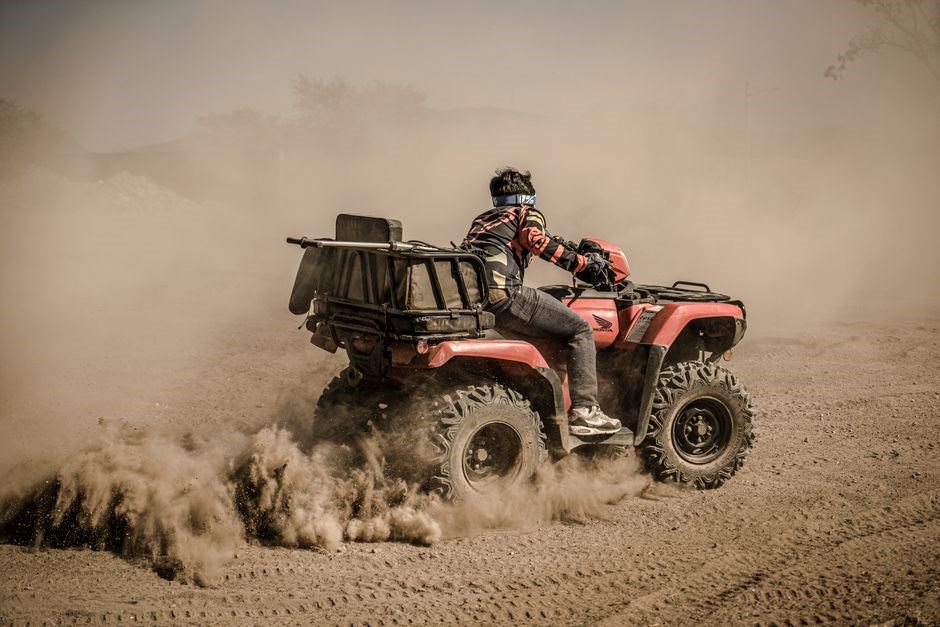
- Wheel Inspection: Remove each wheel, inspect rims for cracks, tires for tread depth, sidewall damage, and ensure proper inflation. Replace any worn or damaged tire.
- Brake System: Clean pads and rotors, inspect for wear, replace pads if worn, bleed brakes to remove air, and top up brake fluid.
- Suspension: Inspect shocks for leaks, damage, and compression. Replace if leaking or visibly damaged. Check bushings for wear and replace cracked or swollen bushings.
- Alignment: Tighten wheel bolts to spec, verify wheel centered, check for tire rubbing, and consider professional alignment if uneven wear appears.
- Documentation: Log date, mileage, parts replaced, and adjustments for future reference.
Consistent wheel and suspension maintenance improves handling, extends component life, and ensures rider safety.
When performing these tasks, always use the manufacturer’s torque specifications, keep the vehicle on a level surface, and double‑check all fasteners after completion fast. Store the manual in a waterproof case to protect it from moisture and dust. Carefully
Troubleshooting & Common Issues
Common issues include engine stalling, low power, and overheating. Check fuel quality, spark plugs, and cooling fins. Inspect battery connections, alternator output, and wiring for corrosion. Use diagnostic codes, clean sensors, and replace worn components.!!!!
Engine Performance Problems
Engine performance issues on the Polaris Sportsman 500 often stem from fuel, ignition, or cooling system irregularities. A sluggish throttle response, intermittent idling, or sudden power loss can indicate a clogged fuel filter, worn spark plugs, or a malfunctioning fuel pump. Inspect the fuel line for kinks or leaks, replace the filter if it shows signs of sediment buildup, and verify that the fuel pump delivers the correct pressure as specified in the manufacturer’s service guidelines. Check the fuel gauge and replace filter if clogged.
Ignition diagnostics should begin with a spark test. Use a high‑quality spark tester to confirm that each plug receives a strong, consistent spark. If the spark is weak or absent, check the ignition coil, distributor cap, and rotor for wear or corrosion. Replacing the coil or cleaning the contacts often restores proper combustion.
Cooling system performance is critical, especially in hot climates. Ensure that the radiator fins are clean and free of debris, the coolant level is correct, and the thermostat opens at the appropriate temperature. A blocked radiator or a stuck thermostat can cause the engine to overheat, leading to reduced power output. Check coolant level regularly to prevent overheating now.!?
Electrical load management also affects engine behavior. Verify that the battery is fully charged and that the alternator output meets the required amperage. A weak battery or a failing alternator can cause voltage drops that affect fuel injection timing and ignition strength.
Finally, perform a compression test to confirm that the engine’s internal components are operating within spec. Low compression can result from worn piston rings, cylinder wall damage, or valve seal issues. If compression readings fall below manufacturer thresholds, consider a valve job or piston replacement to restore full power.
Electrical and Battery Troubleshooting
When the Polaris Sportsman 500 exhibits intermittent power loss, dimming lights, or a failure to start, follow a systematic diagnostic routine. Begin by inspecting the battery terminals for corrosion or loose connections; clean with a wire brush and apply dielectric grease. Verify the battery voltage with a multimeter— a healthy 12‑volt battery should read 12.6 V or higher at rest. If the voltage drops below 12.0 V, replace the battery or check for parasitic drain.
Next, test the alternator output while the engine is running. A properly functioning alternator should produce 13.8–14.4 V. If the reading is lower, inspect the alternator belt for wear or slippage and ensure the belt tensioner is engaged. Check the stator and rotor windings for continuity; a short or open circuit indicates a faulty alternator that must be replaced.
Inspect the starter motor by applying a 12‑volt source directly to the starter terminals. A smooth click and immediate engagement confirm a healthy starter. If the motor stalls or does not engage, examine the solenoid contacts and the starter relay for proper operation. Replace any worn components.
Check the fuses and relays associated with the ignition system, fuel pump, and electrical accessories. A blown fuse can cause a cascade of failures; replace it with the same amperage rating and inspect the fuse holder for signs of overheating. Use a continuity tester on relays to ensure they close under load.

Finally, examine the wiring harness for damaged insulation, pinched wires, or exposed conductors. Use a wiring diagram to trace each circuit, and repair or replace any compromised sections. By following this step‑by‑step approach, you can isolate and resolve most electrical and battery issues on the Sportsman 500, restoring reliable operation and preventing future failures.