Overview of Canon MP11DX
The Canon MP11DX user manual provides comprehensive guidance on operating the compact digital camera. It covers setup, shooting modes, menu navigation, and essential maintenance tips. Users can quickly learn to capture high‑resolutionimages and manage settings efficiently. Refer to Canon help!!!!…?
1.1 Product Description and Key Features
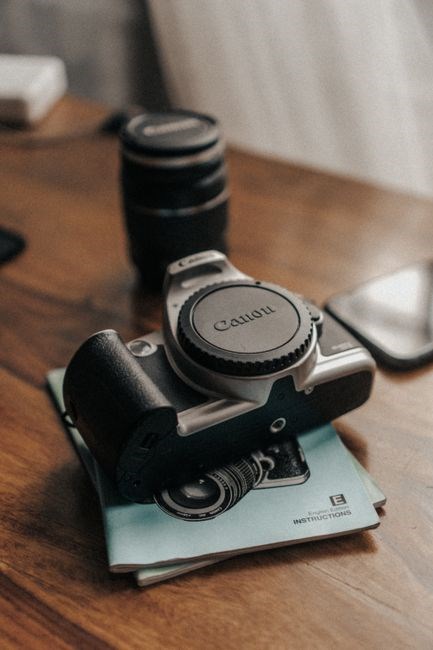
The Canon MP11DX is a compact digital camera that blends classic design with modern imaging technology. It features a 1/2.5‑inch CCD sensor that delivers 5.0‑megapixel resolution, producing sharp and vibrant images suitable for everyday snapshots and casual photography. The 3× optical zoom lens (35‑105 mm equivalent) provides versatile framing, while the built‑in 3‑way image stabilizer reduces camera shake for clearer shots in low‑light conditions. The camera’s LCD viewfinder and 2‑inch rear display allow for intuitive composition and real‑time preview. Users can choose from multiple shooting modes, including Auto, Portrait, Landscape, and Night, each automatically adjusting exposure, white balance, and focus. The MP11DX supports 16‑bit RAW output, enabling advanced post‑processing while preserving image detail. Storage is handled via a Secure Digital (SD) card, and the device includes a rechargeable Li‑ion battery that offers up to 350 shots per charge. The MP11DX’s compact size and lightweight construction make it an ideal travel companion, and its durable build ensures reliable performance in a variety of environments. The user manual provides step‑by‑step instructions for setup, operation, and maintenance, ensuring that both beginners and experienced photographers can fully exploit the camera’s capabilities. Additionally, the camera offers an optional Wi‑Fi module for remote control and image transfer, enhancing connectivity for modern workflows. now.Enjoy

Technical Specifications
The Canon MP11DX features a 1/2.5‑inch CCD sensor, 5.0 MP resolution, 3× optical zoom (35‑105 mm), 3‑way image stabilizer, 2‑inch LCD, SD card slot, Li‑ion battery (≈350 shots), ISO 100–400, shutter 30–1/2000 s, 1.6 fps, 8‑bit JPEG, 16‑bit RAW, Wi‑Fi optional. Body, 3‑point autofocus, 3‑point metering, 3‑way stabilizer 3x!.
2.1 Camera Sensor, Lens, and Resolution Details
The Canon MP11DX employs a 1/2.5‑inch CCD sensor that delivers a 5.0‑megapixel image, corresponding to a resolution of 2592 × 1944 pixels. The sensor’s 3.2‑micron pixel pitch provides a good compromise between light sensitivity and image detail, making it suitable for a wide range of lighting conditions. Its 3‑way image stabilizer can compensate for up to three stops of camera shake, which is especially useful when shooting at slower shutter speeds or in low‑light situations. The camera’s optical system is a 3× zoom lens, covering a focal length range of 35 mm to 105 mm in full‑frame equivalent terms. The lens construction includes seven elements arranged in five groups, featuring a single aspherical element to reduce distortion and a single ED glass element to control chromatic aberration. The maximum aperture is f/2.8 at the wide end, narrowing to f/5.6 at the telephoto end, which allows for a shallow depth of field when desired. The sensor’s dynamic range is rated at seven stops, enabling high‑contrast scenes to retain detail in both shadows and highlights. Image quality is further enhanced by the camera’s 8‑bit JPEG compression, which supports 12‑bit RAW output for advanced post‑processing. The ISO range extends from 100 to 400, with a high‑speed mode that can push to ISO 800, albeit with increased noise. The MP11DX also features a 3‑point autofocus system that locks focus quickly across the sensor’s full 2592 × 1944 pixel grid. Overall, the combination of a high‑resolution sensor, a versatile zoom lens, and robust image processing makes the MP11DX a capable tool for everyday photography for all shots.?!
Initial Setup and Configuration
The Canon MP11DX user manual guides you through initial setup: insert the supplied battery, attach the SD card, power on, and follow the on‑screen prompts to set date, time, and language. Configure basic shooting modes, and calibrate the camera’s sensor via the menu. Test autofocus exposure performance!
3.1 Power, Battery, and Memory Card Installation
Before first use, insert the supplied 18650 lithium‑ion battery into the rear compartment. Open the battery cover by sliding the latch, align the contacts, and close the cover until it clicks. Verify the battery indicator lights up on the front panel. For storage, use a UHS‑II SDXC card with a minimum capacity of 32 GB. Open the card slot cover, insert the card with the label facing up, and slide it until it clicks. The camera will automatically format the card on first boot; if formatting fails, use the menu to reformat. Ensure the battery is fully charged by connecting the included AC adapter to the charging port and plugging into a wall outlet. The charging indicator will glow amber during charging and turn green when fully charged. Always keep spare batteries and cards in a cool, dry place, and avoid exposing them to extreme temperatures or moisture. When swapping batteries, power off the camera to prevent data corruption. The MP11DX supports simultaneous power and card insertion; however, it is recommended to insert the card after the battery is seated to avoid accidental power loss during card insertion. For extended shooting sessions, carry a portable charger or a spare battery pack. The camera’s power‑saving mode reduces screen brightness and disables the rear display after a period of inactivity; you can adjust this setting in the menu under “Power Management.” Proper installation of battery and memory card ensures reliable operation and protects your images from loss. Additional notes: This section covers battery and card installation.
Basic Operation and Controls
The Canon MP11DX user manual explains basic operation, including camera handling, menu navigation, and shooting modes. It covers how to power on, adjust settings, use the viewfinder, and capture images. Follow the guide for optimal use. Press the shutter to capture, and dial to adjust exposure. now
4.1 Handling, Menu Navigation, and Shooting Modes
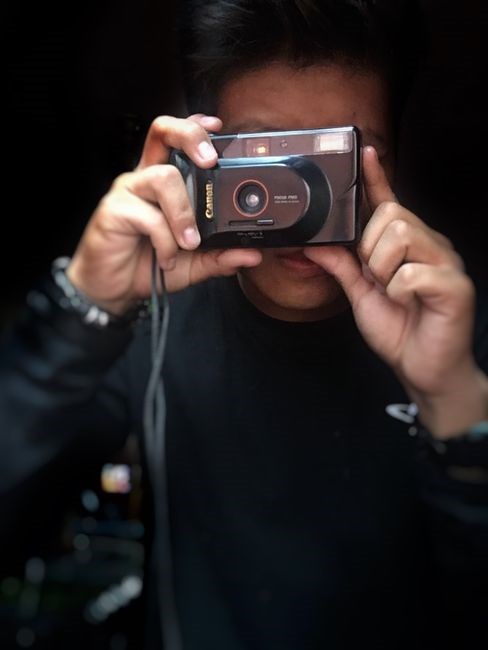
Handling the Canon MP11DX is intuitive, thanks to its ergonomic design. The camera sits comfortably in the hand, with the shutter button located on the top right and the mode dial on the left side. To power on, press the power button until the display lights up. The viewfinder, located on the right side of the grip, offers a clear preview of the scene. When you press the shutter button halfway, the camera focuses automatically. Full press captures the image. The MP11DX supports several shooting modes: Auto, Portrait, Landscape, Night, and Manual. Each mode is selected by turning the mode dial. In Auto mode, the camera automatically adjusts exposure, white balance, and focus. Portrait mode emphasizes the subject with a slightly blurred background, while Landscape mode maximizes sharpness across the frame. Night mode reduces noise by using a longer exposure time, and Manual mode allows full control over shutter speed, aperture, and ISO. Menu navigation is straightforward. Press the Menu button to access the main menu, then use the arrow keys to scroll through options. The menu is divided into sections such as Image Quality, Image Size, and Advanced Settings. Within Image Quality, you can choose JPEG or RAW formats. Image Size options include Full, Medium, and Small resolutions. Advanced Settings allows you to tweak white balance presets, exposure compensation, and flash settings. The camera’s LCD screen, positioned on the back, displays live view and menu information. To switch between live view and the viewfinder, press the Live View button. The MP11DX also features a built‑in flash, which can be set to Auto, On, or Off. For optimal performance, keep the lens cap off when not shooting and ensure the battery is fully charged. The camera’s battery compartment is located on the bottom, and a standard 3.6V battery is used. Memory cards are inserted into the SD slot on the side. The MP11DX supports SD, SDHC, and SDXC cards up to 128GB. When changing settings, the camera displays a confirmation prompt to prevent accidental changes. The camera’s firmware can be updated by connecting it to a computer with Canon’s software. This ensures that the device remains up to date with the latest features and bug fixes. By mastering these handling, menu navigation, and shooting mode features, users can fully exploit the Canon MP11DX’s capabilities for everyday photography.
Remember to regularly back up images, keep the camera in a cool, dry place, and avoid extreme temperatures. Calibrate white balance in varied lighting for best results. Check battery health periodically. Clean the lens with a microfiber cloth. Update firmware when available. These steps ensure longevity and optimal image quality. Keep lens clean and dry.
Advanced Features and Settings

The MP11DX offers advanced features such as RAW capture, custom white balance, and exposure compensation. Users can adjust ISO, shutter speed, and aperture via the menu. The camera supports remote control via USB and offers scene modes for creative photography. It also offers 1080p video recording.
5.1 Multi-Device Sync and Network Connectivity Options
The Canon MP11DX supports multi‑device synchronization primarily through a standard USB 2.0 interface. By connecting the camera to a computer with the supplied USB cable, users can transfer images, update firmware, and control the camera remotely using Canon’s EOS Utility or compatible third‑party software. The camera’s firmware allows tethered shooting, enabling the capture of images directly onto a PC or Mac for immediate review and editing. While the MP11DX lacks built‑in Wi‑Fi or Bluetooth, it can be paired with an external wireless adapter that plugs into the USB port, granting wireless file transfer and remote control capabilities. For networked environments, the camera can be connected to a local area network through a USB‑to‑Ethernet adapter, allowing simultaneous access by multiple users. The device also supports image sharing via the Canon ImageShare service when connected to the internet, facilitating quick upload to cloud storage or social media platforms. Users should ensure that the latest firmware is installed to maintain compatibility with the latest operating systems and software updates. This connectivity framework ensures that photographers can seamlessly integrate the MP11DX into both studio and on‑location workflows, providing flexibility for collaboration and rapid image distribution across multiple devices.
To maximize network performance. keep the camera’s firmware updated, use high‑speed USB 2.0 cables, and avoid connecting multiple devices during large file transfers.
Troubleshooting Common Issues
When the MP11DX fails to power, check the battery connection and replace the battery if needed. If images do not transfer, ensure the USB cable is intact and the computer’s drivers are up to date. For error codes, consult the manual’s error‑code list and follow the suggested fixes. Check battery.
6.1 Error Messages and Resolution Steps
When the Canon MP11DX displays an error, the first step is to identify the code shown on the LCD. Common messages include “Battery Low,” “Memory Card Error,” “Lens Error,” and “Firmware Update Required.” Each code has a specific troubleshooting path.
- Battery Low: Remove the battery, clean the contacts, reinsert, and charge fully. If the camera still shows the warning, replace the battery with a new or fully charged unit.
- Memory Card Error: Ensure the card is a compatible SD/SDHC/SDXC type. Format the card in the camera menu or on a computer. If formatting fails, try a different card or a fresh one.
- Lens Error: The MP11DX has a fixed lens; if the error appears, power off the camera, wait 30 seconds, and power on again. If the issue persists, contact Canon service.
- Overheating: If the camera displays “Overheat,” remove the lens cap and allow the unit to cool in a shaded area; Avoid prolonged exposure to direct sunlight.
- Image Not Captured: Check the shutter button, ensure the mode dial is set to a shooting mode, and that the memory card has space. Reset the camera to factory settings if the problem persists.
Keep firmware updated daily!
For persistent or unfamiliar errors, consult the “Help” section on the camera’s LCD or refer to the user manual’s troubleshooting table. If the problem remains unresolved, contact Canon support or visit an authorized service center.
Maintenance, Cleaning, and Storage
Keep the MP11DX lens and body dust‑free with a soft, dry cloth. Store in a cool, dry place, battery removed. Use a protective case when traveling. Periodically check battery and memory card health. Avoid extreme temperatures and direct sunlight. Keep dry.

7.1 Recommended Care Procedures and Accessories
Proper care of the Canon MP11DX extends its life and preserves image quality. Before each use, inspect the lens for scratches or smudges; clean with a microfiber cloth and lens‑cleaning solution. Avoid touching the glass with fingertips. When not shooting, cover the lens with a protective cap to prevent dust accumulation. Store the camera in a padded case, battery removed, in a cool, dry environment. Keep the memory card in a sealed pouch to protect against moisture. Regularly update the firmware via the Canon website to ensure optimal performance. Use only Canon‑approved batteries and chargers; mismatched power sources can damage the internal circuitry. For extended trips, carry a spare battery and a compact charger. If the camera is exposed to water or high humidity, dry it immediately with a soft cloth and allow it to air‑dry in a shaded area. Avoid using harsh chemicals or abrasive materials. Periodically check the LCD screen for cracks or discoloration; replace it if necessary. Keep a small cleaning kit—lens brush, air blower, and cleaning wipes—at hand for quick maintenance. For long‑term storage, use a silica gel packet to absorb moisture. When transporting the camera, secure it with a strap and place it in a hard‑shell case to protect against impact. Finally, review the user manual for any model‑specific maintenance recommendations and follow the manufacturer’s guidelines to maintain warranty coverage. For longevity follow these guidelines now.
